
When founders look at UAE Web3 business setup options, the conversation often starts with DIFC, ADGM, DMCC, DWTC, mainland, or RAK Innovation City. For virtual asset businesses, it may also involve VARA. But before comparing jurisdictions, costs, or timelines, it helps to step back and ask three simple questions:
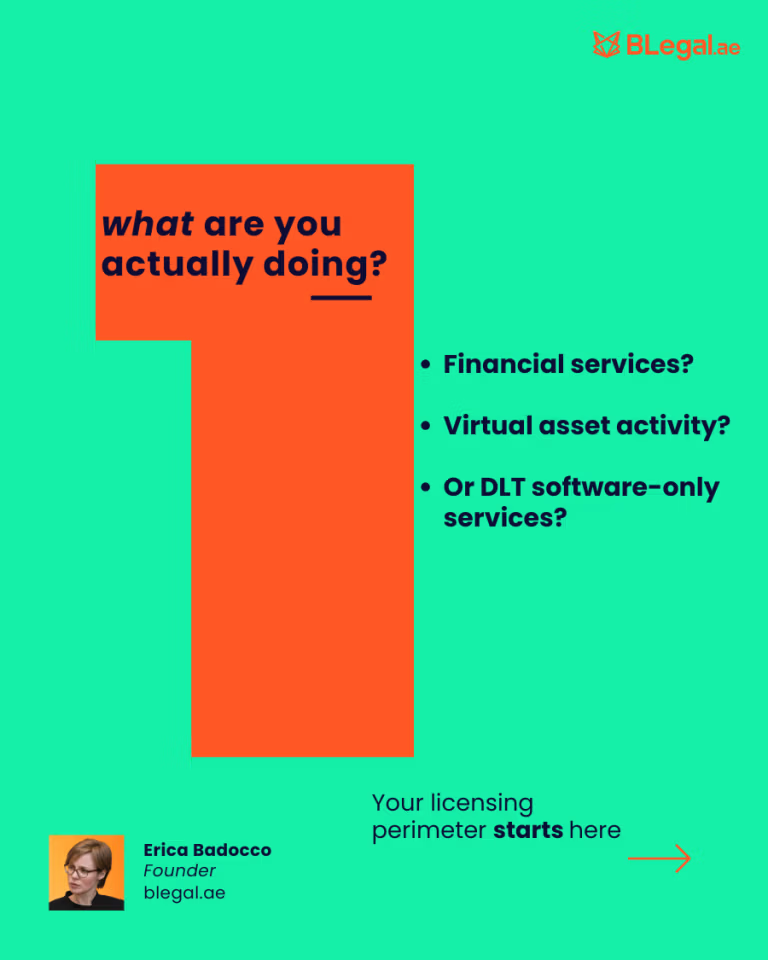
1. What is your Web3 Business doing?
Your actual business activity should drive the structure. A consultancy, holding company, fintech, digital assets business, or operating company will not all fit the same setup. In the UAE, the right jurisdiction depends heavily on the nature of the activity and whether it falls within a regulated space.
For example, a founder launching a Web3 advisory firm may need a very different setup (much lighter) than a business operating a virtual asset platform or offering regulated financial services, like broker-dealers or exchanges.
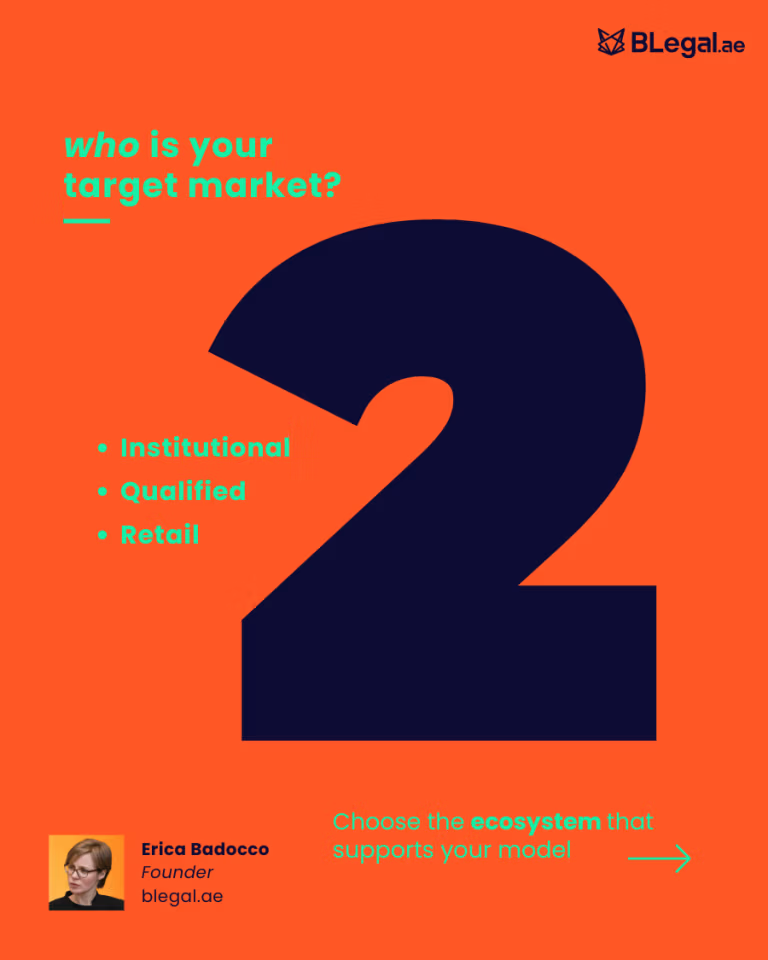
2. Who is your target market?
Are you serving retail clients, institutional clients, other businesses, or international counterparties? The answer matters. The right setup for a B2B advisory business may be very different from the right setup for a consumer-facing platform or a regulated financial services model.
A company advising other Web3 businesses on a B2B basis will usually face different structuring considerations (again, much lighter). Retail clients, on the other hand, are in general more protected by the laws and regulation. This means that any Founder wishing to setup a business where retails are involved need to carefully consider the requirements from regulators.
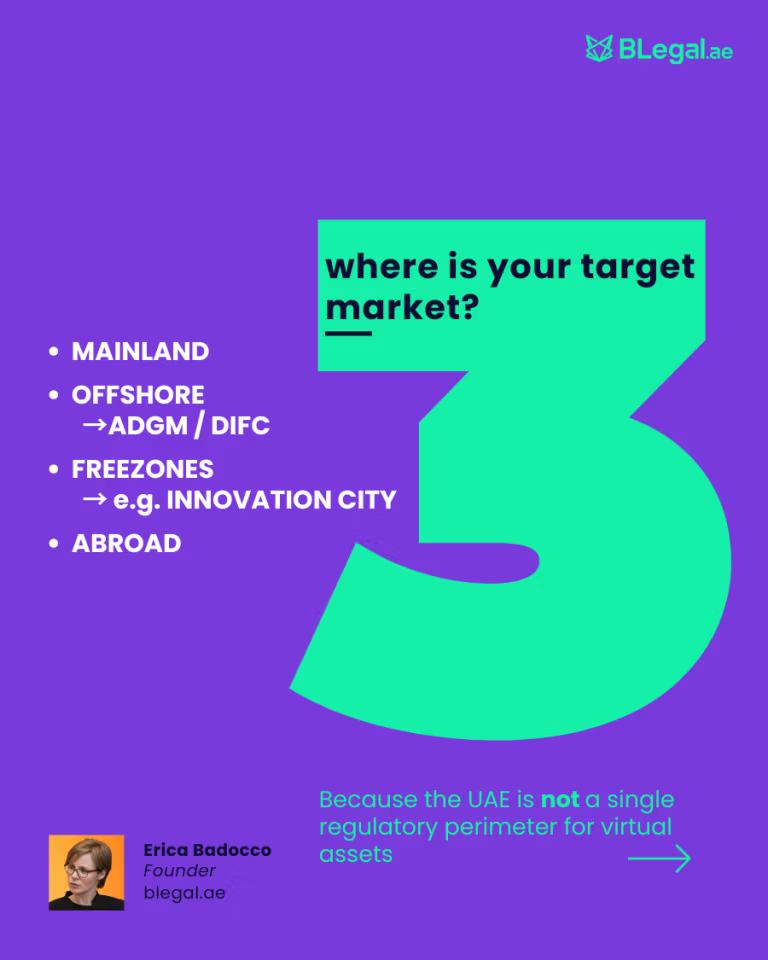
3. Web3 is decentralised, but your market is not. So, where are your clients?
Geography shapes regulatory architecture in the UAE. If your market is onshore UAE, that may point you in a different direction than if you are building for regional or cross-border customers. This is why the choice between mainland, DIFC, ADGM, Dubai-based free zones, or RAK Innovation City should be driven by where the business will actually operate and grow.
Along the line of our previous examples, the same goes for the jurisdiction you’re targeting. Operating from freezone to freezone in the UAE is considered a lighter way to proceed, regulatory speaking, than targeting clients on the UAE mainland where additional considerations are present.
Sounds simple? Well, these 3 question are a really good starting point. Too often, businesses go about it backward. They ask us: Which free zone is best?
The real question here should be: Which jurisdiction is right for this business, this customer base, and this market?
Whether you are considering DIFC, ADGM, DMCC, DWTC, VARA-related structures or RAK Innovation City, the incorporation decision should follow the business model — not the other way around.
In the UAE, geography is not just about location. It shapes licensing, regulation, access to market, and long-term strategy.
And it all starts with three simple questions:
What? Who? Where?
Get in touch, we’ll help you get started!